Cheap Pints, Full Rooms: The Stoke Clubs Still Putting Bands On
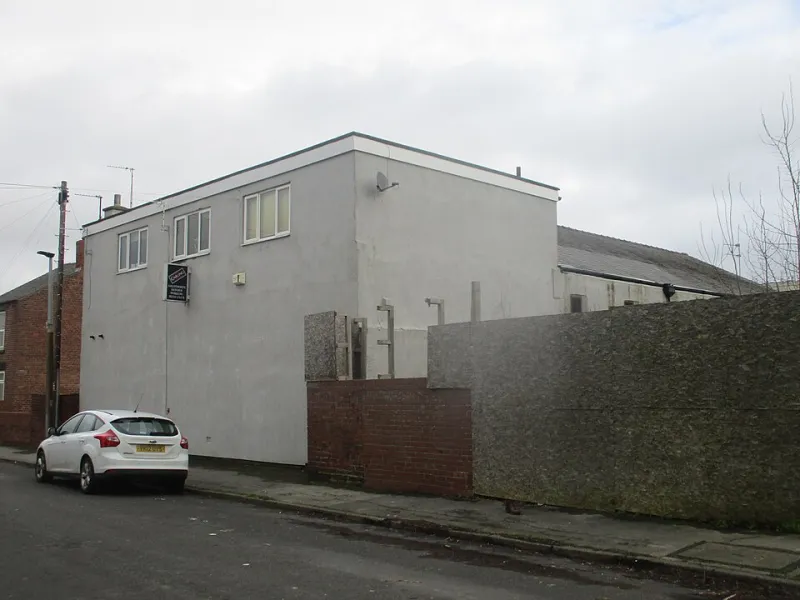
Photo: Mtaylor848, CC BY-SA 4.0, via Wikimedia Commons
On a Friday night in Burslem, the queue for the bar is longer than the queue for the stage. That tells you something about Stoke-on-Trent's members' clubs. People are here for a pint, a catch-up and a band they half know, and the band is not the only reason they came out. In 2026, as newer venues chase the spotlight with ticketed showcases and carefully curated line-ups, the working men's clubs and social clubs are still doing what they have done for decades: putting live music in a room full of people who already feel at home.
The economics of a club night
A club gig is a different bargain from a city centre show. There is usually no ticket in the modern sense, or if there is, it is modest. You might sign in as a member's guest. You might drop money in a raffle. You might buy three drinks for the price of one pint elsewhere. The band gets paid, the committee balances the books, and the room gets a Saturday night that feels less like an event and more like a habit.
That habit is the point. Stoke's club circuit is not built on hype. It is built on repeat custom, cheap room hire and audiences who will turn up because it is their club, not because a promoter has spent a fortnight shouting about it online. The result is a live music ecology that is stubbornly resilient. It does not make headlines. It makes Tuesdays and Saturdays happen.
How committees choose the acts
Walk into a working men's club and you will often find the entertainment diary pinned behind the bar or kept in a laminated folder. The committee decides. Sometimes it is one secretary or entertainment officer doing the ringing round; sometimes it is a small group arguing over whether the club needs a rock covers band, a tribute act, a soul singer or a local indie outfit with a bit of a following.
The logic is practical. Will the band bring people in? Will the regulars stay? Is the fee sensible? Can they play a room with a low ceiling and a PA that has seen better decades? Clubs such as Milton Working Men's Club, Birches Head Working Men's Club and Longton Labour Club are not chasing the same bookings as the Sugarmill or the Exchange. They are booking for their members, and that means knowing the difference between a band that is good on paper and a band that will go down well after the bingo.
That is not a criticism. It is a skill. Committees are amateur promoters with a duty to the club's finances and a feel for the room. They know that a tribute act will fill a Saturday, that a local rock band can turn a quiet Sunday afternoon into something louder, and that a singer-songwriter night needs a different kind of patience. They also know the value of a band that turns up on time, sets up quickly and does not blow the house PA.
Pie, pint and a PA
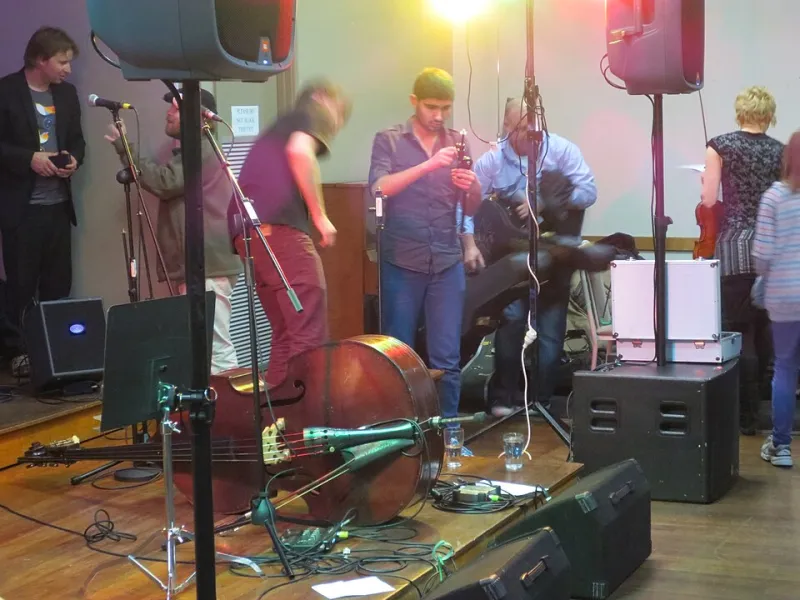
The house PA is part of the folklore. In some clubs it is a modest setup behind the stage curtain: a couple of speakers, a mixing desk with labels written in marker pen, a microphone that has been dropped more than once. In others, it has been upgraded in the last few years because the committee recognised that live music is part of the offer, not a favour.
Either way, the sound is rarely the point. The point is that the room works. Low ceilings, carpet, a function room with a small stage and a bar at the back. A band can play for two hours, take a break, and sell a bit of merch from a table near the door. The audience can sit, stand, dance or nip out for a smoke. There is no pressure to know the setlist or to be seen at the right show. That looseness is why some musicians love these gigs and why some find them difficult.
A club crowd is honest. If it is not working, you will see it in the faces at the back. If it is working, you will hear it in the bar receipts and the requests shouted between songs. For a local band, that is useful feedback. It is also a reminder that live music does not need a black box and a lighting rig to feel like a night out.
What the newer venues miss
Stoke's newer venues and promoter-led nights have brought energy, design and a younger crowd into the city's music scene. That matters. But the club circuit offers something the spotlight venues cannot always replicate: a steady pipeline of rooms where bands can learn their craft in front of people who are not there to judge them.
A working men's club is not a stepping stone in a neat career plan. It is a room with its own rules, its own regulars and its own sense of occasion. But it is also a place where a band can play a full set, test a new song and get paid without having to sell a hundred tickets in advance. In a city where transport, ticket prices and venue capacity all shape who gets to play, that matters more than it might look.
The challenges are real
None of this is nostalgia. Clubs face rising costs, changing drinking habits and the constant work of keeping membership numbers up. Some committees are older than their audiences would like. Some rooms need repairs. Some clubs have stopped booking live music altogether because the sums no longer add up. The ones still doing it in 2026 are making a choice, not coasting on tradition.
That choice deserves attention. The club circuit is part of Stoke-on-Trent's civic infrastructure as much as its music infrastructure. It is where people learn to put on a gig, where bands learn to hold a room, and where a Saturday night can still cost less than a takeaway. The spotlight will always move. The members' bar stays open.
If you are in a club this winter and the band is good, put something in the raffle, buy a pint and tell the committee. That is how the next booking gets made.