The Back-Row Crew: All-Ages Gigs and the Parents Holding Stoke’s Front Row Together
Photo: Unknown authorUnknown author, Public domain, via Wikimedia Commons
On a Saturday afternoon in a church room in Shelton, the loudest thing in the building is a four-piece from Meir whose average age is 15. The room holds maybe 120 people. There are 60 in. Half of them are related to someone in the band. The other half are here because it is 3pm, the tickets were four quid, and nobody has to explain why a teenager is in a pub back room at 11pm on a school night.
That is the simple promise of an all-ages gig: the barrier to entry is a lift home, not a borrowed birthday. In Stoke-on-Trent in 2026, that promise is being kept by a loose network of promoters, volunteer stewards, church hall committees, pub landlords and parents who have worked out that the back row is part of the infrastructure.
The room where the curfew does the talking
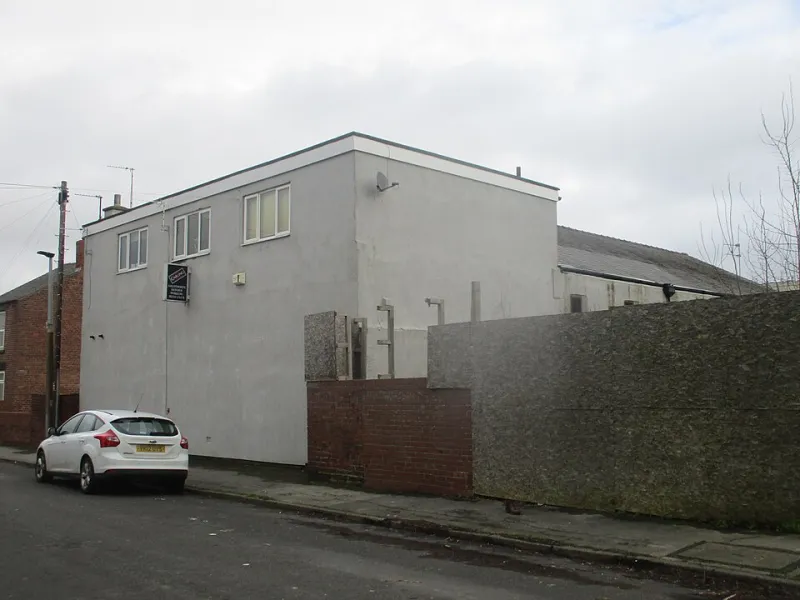
Most all-ages shows in the city are not in traditional music venues. They are in community halls in Burslem and Longton, church rooms in Hartshill and Shelton, and the function rooms of pubs that would struggle to fill a Friday night with a tribute act. The rooms are not glamorous. They have noticeboards, tea urns, and a stack of plastic chairs that has to be moved before the first band.
What they do have is flexibility. A temporary event notice, an early finish, an agreed capacity and a clear plan for under-18s can turn a space that normally hosts yoga and jumble sales into a working gig venue for an afternoon. Promoters talk about licensing not as a wall but as a conversation: what time does the last band finish, who is on the door, how do we get people home, and what happens if a parent cannot be reached?
The answers are usually practical. Under-14s bring an adult. Over-14s can be signed in and out. The show ends before the last bus becomes a problem. There is water, a first-aid kit and a steward who knows where the nearest cash machine is. None of it is rock and roll. All of it is why the gig happens.
Who actually puts them on
The promoters behind these shows are rarely full-time music industry people. They are teachers, shop workers, musicians who remember their own first gig, and parents who got tired of driving to Manchester. They book three or four bands, keep the door price low, and accept that the merch table might make more than the bar.
The economics are tight. Hall hire, insurance, PRS and PPL paperwork, stewarding and a sound check that has to happen before the caretaker locks up all eat into the takings. A lot of these events run on a whip-round and goodwill. That is not a sustainable business model, but it is a working scene model. It gets young bands in front of people who are not just their mates, and it gives those bands a first set that is not a battle against a room full of adults who have had four pints.
The bands notice. A 16-year-old singer from Tunstall does not care that the PA is borrowed. They care that people are watching, that the sound is decent, and that nobody is shouting over them. All-ages crowds are often more attentive than adult crowds. They have not learned to treat the gig as background music yet.
The parent as crew member
The phrase 'parents at the back' makes it sound passive. It is not. Parents run doors, sell merch, hold coats, stand by the fire exit, and drive three teenagers home via Bentilee. They are the unpaid stewarding team that makes safeguarding work. They also set the tone. A room with a few adults who are visibly sober and visibly in charge is a room where a 15-year-old can relax.
That matters for more than safety. It changes who feels allowed to be there. Girls who might not go to a pub gig can come to a church hall show. Younger siblings can tag along. A kid who is not sure about the music can stand at the side and work out whether they like it. The front row becomes a family affair in the best sense: not a crèche, not a school assembly, just a crowd that is wider than the usual 18-to-30 gig demographic.
There is a limit to that goodwill. The same parents cannot be expected to run every show, and volunteers burn out. Promoters need a rota, not a rescue mission. The city's wider venue scene could help by sharing templates for risk assessments, stewarding and accessible communication. A folder of good practice is cheaper than a new lighting rig.
What the louder rooms can borrow
The lesson from Stoke's all-ages circuit is not that every gig should finish at 6pm. It is that audience-building is a long game. The 14-year-old at a church hall show in 2026 is the 18-year-old at a Hanley club night in 2030. If venues want a future crowd, they need to be part of the pipeline.
That could mean an occasional Sunday afternoon show, a 14+ matinee, or a support slot for a school band at a venue that normally sticks to late licences. It could mean putting the first band on before the last bus, and saying so clearly on the poster. It could mean a steward with a lanyard who knows what to do when a young person gets separated from their friends.
None of that is radical. It is just the boring machinery of inclusion. Stoke has always been good at making things work with limited resources. The all-ages scene is the latest example: a network of rooms where the curfew is the headline, the lift home is the ticket price, and the back row is doing the work.
If you want to find it, start with the noticeboards in Burslem and the church halls in Shelton. The posters are photocopied. The bands are young. The door is open. And the person taking your money is probably someone's mum.