Ten Quid, Four Ways: Tracing a Stoke Door Take From Wristband to Split
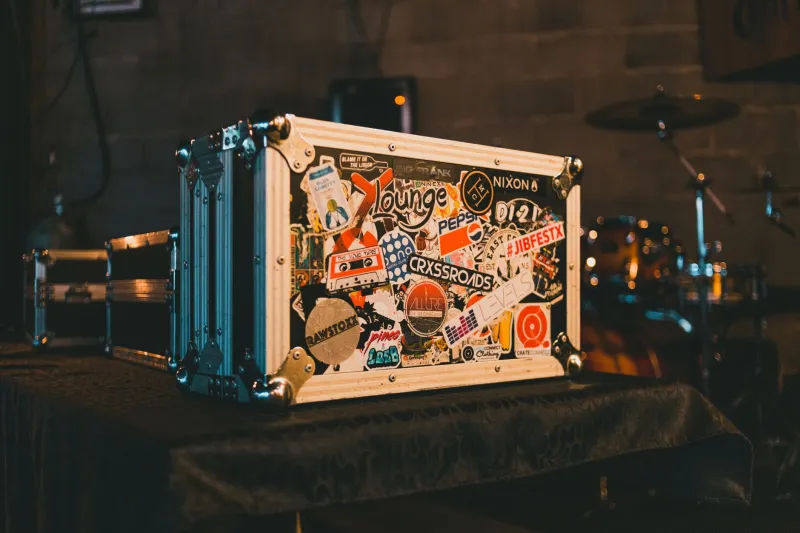
Picture a Friday in November 2026. A 120-cap room in Stoke-on-Trent, three bands, a tenner on the door, and a queue that arrives in the last twenty minutes because that is how it goes. The wristbands go on, the first band starts late, and everyone has a nice time. But somewhere between the cash tin and the last van door, that tenner gets sliced into a surprising number of pieces.
What follows is an illustrative night, not a leaked spreadsheet. Costs move around, venues differ, and nobody in the Potteries is getting rich off a Friday. The point is transparency without the doom: here is roughly where a tenner goes, why small gigs cost what they do, and what audiences can do beyond simply turning up.
The tenner hits the tin
Let us say 88 people pay £10 on the door. That is £880 gross. Already there are quiet deductions. Card readers take a cut, and if the promoter has taken advance tickets online, the platform has had its slice before the night even starts. For this example, we will keep it simple: 88 paid entries, £880 in the tin, a guest list of 12, and a room that feels busy without being rammed. A good night. Not a gold rush.
The room, the steward and the licence
The room is not free. A small Stoke venue might charge £220–£260 for hire, or take a bar split instead, but either way somebody is paying for the lights, the heating, the person on the door and the paperwork that keeps the place legal. In our illustrative night, the room takes £240, a door steward costs £60, and £30 goes toward the admin side of PRS and insurance. That is £330 before a single guitar has been plugged in. If the bar does well, the venue might do better than the hire fee — but the venue is also carrying the risk of a quiet Tuesday, the broken hand dryer and the roof that needs looking at.
The promoter's shoebox of receipts
Promoters are not mysterious middlemen. They are usually the person who booked the bands, printed the flyers, hired the backline, answered 47 messages about parking, and stood at the door hoping the card reader works. Their costs add up: £45 for flyers and posters, £14 in card fees, £40 for backline hire, £10 for water and tea, and a £30 contingency for the thing nobody predicted. That is £139. Add a modest promoter fee of £70 — not a wage, more a thank-you for the admin and the risk — and you are at £209.
The person on the desk
A good sound engineer is not a luxury. They are the reason the vocals do not sound like a washing machine and the reason the night finishes before the neighbours complain. For a three-band bill, £110 is a common-ish fee in a small room, and it is money well spent. Sometimes it is £80 and a couple of drinks. Sometimes it is £150 because they brought their own desk and stayed late. Either way, it comes out of the door.
What's left for the band
So far: £880 in, £330 to the room, £139 to promoter costs, £110 to the sound desk, £70 to the promoter. That leaves £231 for three bands. It is not nothing, but it is not a split-the-crown situation either. A sensible split might be £95 for the headliner, £75 for the middle band and £61 for the opener. If the headliner is a four-piece, that is £23.75 each before fuel, strings and the round they buy at the bar. The opener might be looking at £15 each. This is why the merch table matters.
Merch is the second door
On the same night, the headliner sells 22 T-shirts at £15. The shirts cost £7 each, so the profit is £176. They also sell 10 tapes at £6, costing £2 each, which adds £40. That is £216 in merch profit — nearly as much as the entire band split from the door. The maths is blunt: a tenner at the door keeps the lights on, but a T-shirt and a tape can be the difference between a band breaking even and a band paying for the van. Support bands often sell less, which is why the table near the door is not just decoration.
What audiences can do that actually helps
Buy something from the merch table, even if it is a sticker or a download card. Bring cash if you can, because card fees and signal dropouts are real. Arrive for the first band, not just the headliner. Buy a drink at the venue bar — the room needs to see that live music brings people through the door. Share the gig before the night, not just after. Do not haggle over a tenner at the door; if money is tight, ask the promoter about a low-income ticket or come to the free entry night instead. And if you had a good time, tell the band. It sounds soft, but morale is a resource.
The tenner test isn't a guilt trip
None of this is a plea to pay more for everything. A tenner is a fair price for a small gig in 2026, and Stoke has a long, proud history of keeping live music accessible. The tenner test is just a way of seeing the whole night: the room, the promoter, the sound tech, the merch table and the band all sharing the same tin. When you know where the money goes, it is easier to support the parts that matter. And next time you see a £10 door charge, you will know it is not a random number. It is a budget with a bass amp in it.