Kilns, Concourses and Canal Locks: Five Stoke Spaces That Could Host a 2026 One-Nighter
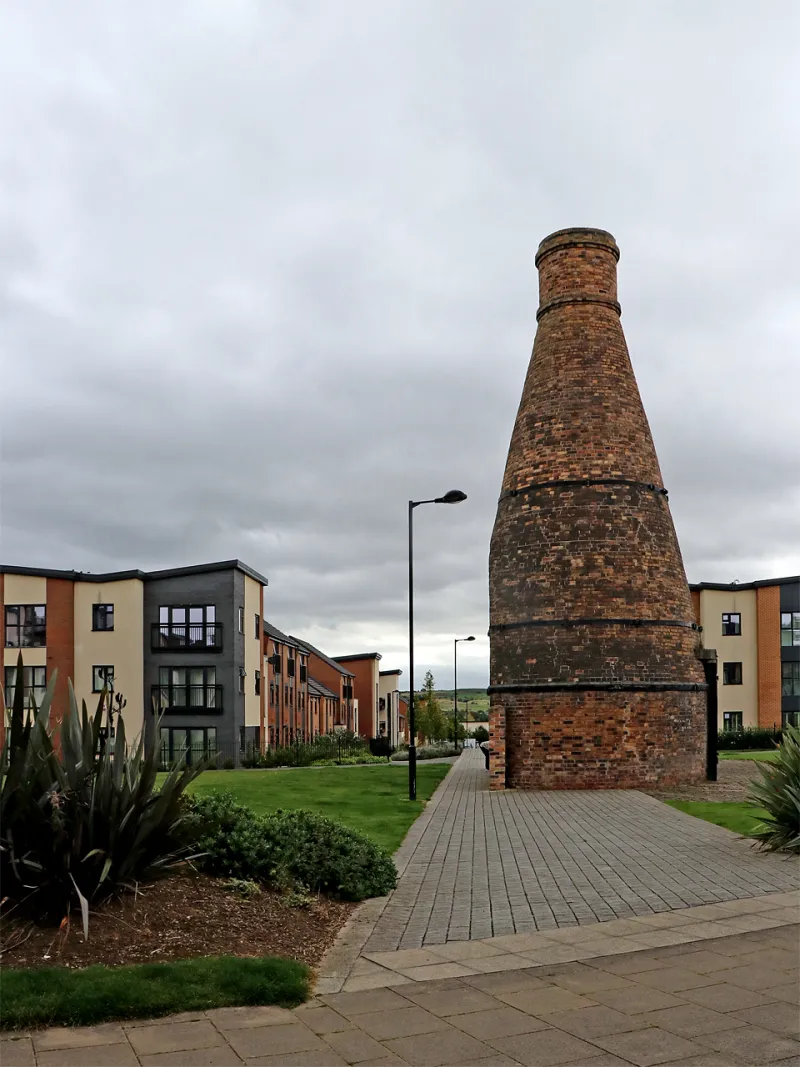
Photo: Roger D Kidd , CC BY-SA 2.0, via Wikimedia Commons
Stoke-on-Trent has never been short of strange, useful, slightly improbable spaces. What it has sometimes lacked is the nerve to treat them as gig rooms rather than backdrops. This is not a complaint about the venues we already have. It is a love letter to the ones we walk past every day and a practical thought experiment for 2026: what would it take to put a band in a bottle kiln, a bus station or a canal lock-side and make it work for everyone involved?
The answer is never just plug in and pray. It is licensing, access, sound limits, toilets, stewards and neighbours. But if the city is serious about culture-led regeneration, these five landmarks are a good place to start.
1. A surviving bottle kiln at Gladstone or Middleport
The image is simple: forty or fifty people in a pottery courtyard at dusk, a local singer-songwriter playing unplugged, a spoken-word piece about clay and shift work, and the kiln standing over it all like a patient old relative. No big rig. No bass bin rattling the heritage windows. Just voices, strings and the strange acoustics of brick.
The practical bit matters. A bottle kiln is not a venue; it is a scheduled piece of industrial heritage. Any event would need the museum or heritage trust on side, a conservation-minded site plan, battery lighting rather than candles, limited capacity, clearly marked exits and accessible routes. Toilets would likely mean opening a visitor centre block. Sound would need to be acoustic or very lightly amplified, with a hard curfew and a named person on the desk. A small temporary event notice may cover the licensing side if capacity stays under the threshold, but the site owner and council still need proper notice.
Community buy-in is easy to imagine and easy to lose. Invite the neighbours first. Keep it short. Programme a local folk act or a stripped-back brass duo rather than a indie band who will want a drum kit. The promoter here is probably a heritage venue team working with someone who already runs seated shows. Done well, it is not a stunt. It is the city's origin story with a PA.
2. Hanley Bus Station concourse
The bus station is not glamorous. That is the point. A Friday early-evening set on the concourse, 6pm to 8pm, with a stripped-back local band playing to people waiting for the 101 or heading home after work, could be one of the most Stoke things imaginable. Not a festival. Not a takeover. A short, well-signposted gig in a space that already belongs to everyone.
The barriers are real but not ridiculous. The operator and the city council would need to agree the exact spot, keep every stand and turning circle clear, and avoid peak departure times. Public liability insurance, stewarding, a risk assessment and a clear plan for bad weather are basic. Sound would have to sit under announcement levels, which points towards acoustic sets, a small amp and no drums. No glass, no cables across walkways, no audience blocking access. A temporary event notice may be needed depending on the set-up, and the licensing team will want the detail early.
The community angle is the selling point. Passengers are not a captive audience, so the gig has to be generous and brief. Programme a local act with a busker's instinct for reading a room of distracted people. Put the times on the station screens and the local Facebook groups. If it works, it could become a monthly fixture in 2026: a proper civic stage with a timetable.
3. An empty high-street unit in Tunstall, Longton or Stoke
Every high street has one: the unit with the shutter half up, the old sign still faintly visible and a landlord who would rather have something in it than another boarded window. An eighty-capacity pop-up gig there would not solve retail, but it would put feet on the pavement and money behind the bar of whatever is still open.
The gig could be a DIY all-dayer: three local bands, a zine table, a couple of artists showing work on the walls, and a strict 10.30pm finish. The practical checklist is long but familiar. The landlord needs to agree a short lease or licence. The space needs fire exits, working smoke alarms, toilets, a safe power supply and an accessible entrance. A temporary event notice is likely, alongside public liability insurance and a competent safety plan. The council's regeneration and licensing teams should be talked to early, not after the flyers are printed.
Community buy-in means asking the neighbouring shops what they need, keeping the frontage tidy and leaving the unit better than you found it. The promoter is probably a DIY crew who has run pub back rooms and community halls. The band is probably local, loud and delighted to play somewhere that is not a stage. The risk is real, but so is the reward: a high street that sounds alive for one night.
4. Canal lock-side on the Trent & Mersey at Etruria
A sunset folk set beside a lock, with boats moored nearby and people leaning on the towpath rail, is almost too pretty to argue with. The canal is one of Stoke's quietest regeneration stories. A one-night gig there would remind people that the water is part of the city, not just a route out of it.
The Canal & River Trust would need to be involved from the start. Water safety is the first concern: barriers, lighting, a clear edge, no crowding on the lock beams and a plan for anyone who has had one too many. The towpath is shared with walkers, cyclists and anglers, so the gig should be small, seated or gently standing, and finished before dark or lit properly if it runs later. Acoustic or low-volume amplification is the sensible limit. Sound carries over water, so a noise management plan and a named contact for residents matter. Parking, accessible routes and wet-weather cover all need answers before the first chord.
Community buy-in here means talking to boaters, anglers and nearby homes, not just the music crowd. A local folk act, a brass ensemble or a choir would suit the setting better than a punk band. The promoter could be a canal-side venue or a community group working with the trust. If it works, it is not just a gig. It is a reason to walk the towpath in 2026.
5. A former cinema with good bones
A former cinema is the dream. Tiered seating, a bit of faded glamour, a projection booth that could show local films between sets, and enough room for a hundred and fifty people to feel part of something. Many of Stoke's old picture houses have already been lost or changed beyond recognition, which is exactly why the survivors deserve a serious look before they become flats or another car park.
The practical work starts with a structural survey. Fire exits, power, accessibility, toilets and a licensing plan all have to be real, not imagined. A premises licence or temporary event notice will depend on the plan. Insurance, stewarding and a proper risk assessment are non-negotiable. If the building is not yet open to the public, a friends group and the owner need to agree a phased approach: first a small invited event, then a public gig, then maybe more.
Community buy-in is the whole game. A former cinema is an emotional building. People remember their first film there. Ask them what they want it to be. Programme local bands alongside a short film made in Stoke. Keep ticket prices low. Use the gig to show what the building could do, not to pretend it is already finished. The promoter here needs experience of unusual spaces, and the band needs to understand that the room is the headline.
The point is not nostalgia
None of these five ideas is a replacement for proper venues, and none of them should be romanticised into a licence to cut corners. They are tests of civic imagination. A bottle kiln, a bus station, an empty shop, a canal lock and an old cinema are not just quirky backdrops. They are the city's everyday fabric. In 2026, the best regeneration story might not be a new building at all. It might be a local band, a sensible safety plan and a few hundred people deciding that Stoke's odd spaces are worth showing up for.