Borrowed Amps and a Waiting List: The Rooms Where Stoke Bands Learn to Be Loud
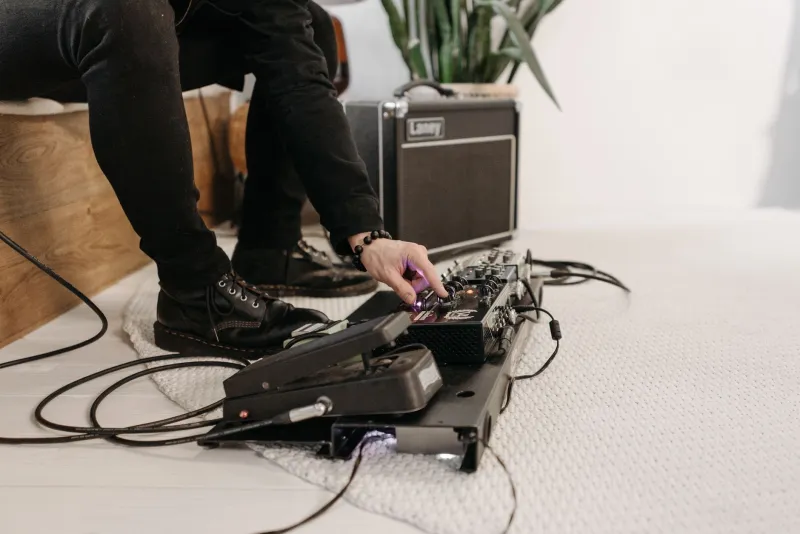
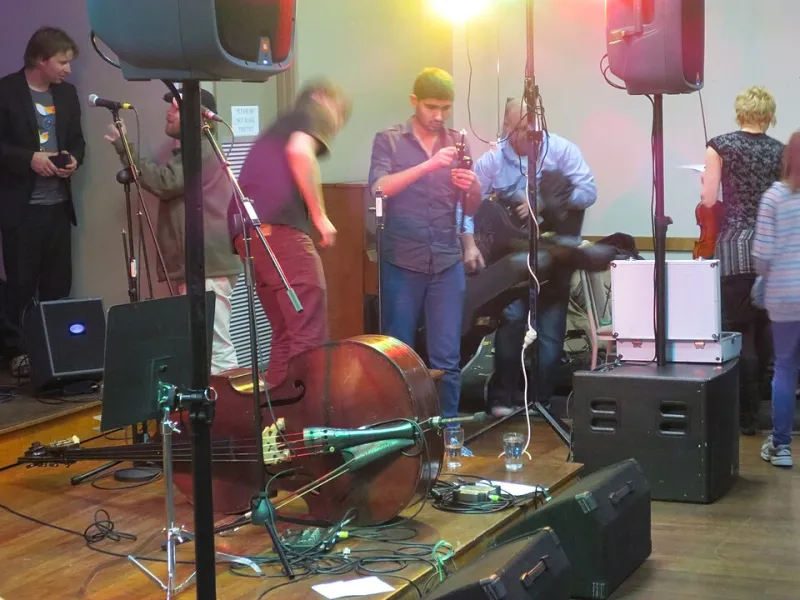
You can map a city's music scene by its stages, but you'll only understand it by its plug sockets. Before a band plays the Sugarmill, before they squeeze onto a pub floor in Burslem, before anyone prints a flyer, there is a room with a carpet that smells faintly of damp and a drum kit that has been rebuilt more times than Trig's broom. Stoke-on-Trent has plenty of these rooms. What it doesn't have is a register of them — a proper, honest list of where new acts actually get loud.
That gap matters. The city's live music calendar looks healthy on paper: all-dayers, charity gigs, festival weekends, the occasional one-nighter in a space that wasn't designed for it. But the pipeline starts somewhere much less photogenic. It starts in a unit off a back street in Fenton, a first-floor room above a shop in Hanley, a borrowed back room in a social club in Tunstall. These are the places where bands become bookable. And right now, they are running on waiting lists, goodwill and a kitty jar.
What Counts as a Rehearsal Room?
Not much, by most standards. A lockable door. Enough power for a PA and a backline without tripping the fuse. A toilet that works. Somewhere to park a van without blocking a loading bay. If you're lucky, a kettle.
The best ones are run by people who have been in bands themselves and know that a rehearsal isn't a performance. It's a repair job. It's the guitarist who can't hear the vocalist, the drummer who needs to slow the chorus down, the bass player who has been meaning to replace a lead for three weeks. A good room absorbs that. A bad room turns it into a row.
Across the city, these spaces are a mix of the formal and the improvised. There are a handful of dedicated rehearsal studios with hourly rates and online booking. Then there are the shared units — a band subletting a corner of a workshop, a promoter with a key to a function room, a landlord who says yes because the rent is better than nothing. The informal ones are often the most important, because they're the cheapest and the least intimidating. They're also the least secure.
The Hour-by-Hour Ledger
Ask a band what rehearsal costs and you'll get a range, not a figure. Somewhere between a tenner and twenty quid an hour is the usual span in Stoke, with discounts for block booking and the occasional freebie for a mate. Split four ways, it sounds manageable. In practice, it's a weekly decision about whether to rehearse or save the money for the recording session, the van hire, the new snare head.
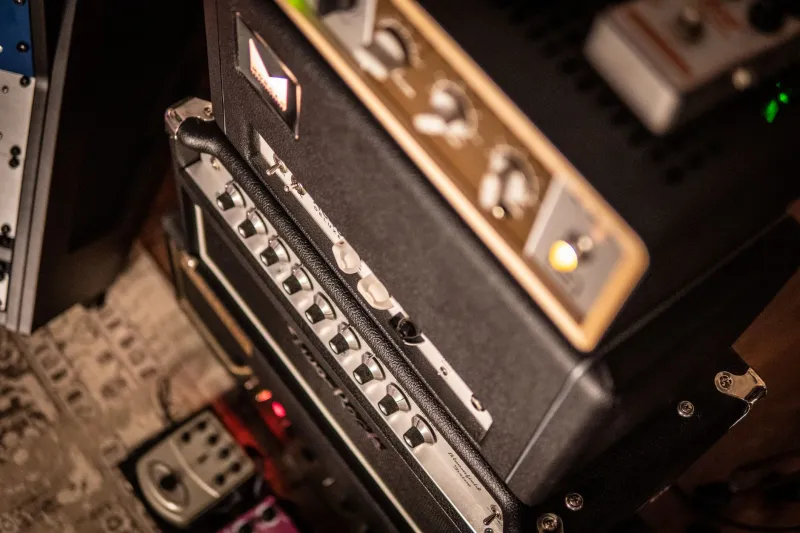
The economics get more awkward when you're a new band. You don't have a full backline. You don't have a reliable PA. You're borrowing a bass amp from someone who might need it back on Saturday. The room is only half the cost. The rest is the stuff around it: fuel, parking, the round after, the replacement cable you didn't budget for.
Room managers see this every week. They talk about regulars who book the same slot for years, and about the quiet months in January when everyone tightens their belt. They talk about no-shows and last-minute cancellations, and about the bands who leave the room cleaner than they found it. The best tenants are not always the best musicians. They're the ones who pay on time and don't nick the gaffer tape.
The Waiting List Is the Real Chart
If you want to know how healthy a local scene is, don't count the gigs. Count the waiting list for rehearsal space.
Right now, that list is long. Not because Stoke is short of empty buildings — anyone who has walked through the city centre knows better — but because converting a unit into a usable rehearsal room takes money, time and a landlord who isn't spooked by the words "live music". Soundproofing is the expensive bit. Power is the fiddly bit. Insurance is the bit nobody wants to talk about.
The result is a bottleneck. New bands form, get excited, then spend six weeks trying to find a room. Some give up. Others rehearse in living rooms, in garages, in the kind of spaces where the neighbours can hear every mistake. The ones who stick around are the ones with a car, a tolerant family and a bit of spare cash. That's not a meritocracy. It's a filter.
Noise, Neighbours and the Council
Any conversation about rehearsal rooms eventually reaches the same word: noise. Stoke's industrial legacy means there are plenty of buildings where a band can make a racket without upsetting anyone. It also means there are plenty of buildings that sit awkwardly close to houses, and plenty of residents who have a legitimate interest in a quiet Tuesday night.
The city council's noise team has a job to do, and by most accounts they'd rather work with a band than shut one down. The practical advice is always the same: talk to your neighbours before you turn up, keep the hours sensible, don't leave the fire door open, and don't try to soundproof a room with a single layer of carpet offcuts. The bands that last are the ones that treat the room as part of a wider community, not a bunker.
That's easier said than done when you're paying by the hour and the clock is running. But the alternative — a complaint, a visit, a closure — is worse. The unsung rooms that survive are usually the ones with a manager who answers the phone, a tenant who keeps the noise down after ten, and a neighbour who gets a Christmas card.
Shared Gear and Borrowed Trust
There's a particular kind of generosity in the Stoke scene that doesn't get written about much. It's the drummer who lends a snare to a band they've never met. It's the guitarist who leaves a spare lead on the amp. It's the room manager who keeps a box of cables behind the desk because someone always forgets one.
That generosity is also a risk. Gear breaks. Cymbals crack. Amp valves go. The etiquette is unwritten but firm: replace what you break, label what you lend, and never assume the house kit is yours to take home. When it works, it's a low-cost way for new bands to get moving. When it doesn't, it's a row that ends a friendship and a rehearsal room booking in the same week.
What a Register Would Actually Do
A rehearsal room register sounds bureaucratic. It isn't. It's a list of who has space, what it costs, what's in the room and who to call. It would help bands find a slot, help room managers fill quiet hours, and help the council understand where culture is actually happening. It would also make the case for the city's empty buildings, many of which could host a drum kit long before they host a restaurant.
There are already informal networks — Facebook groups, word of mouth, the promoter who knows a guy. But informal networks are fragile. They depend on the same handful of people, and they don't survive a change of phone number. A register, even a scruffy one, would be a small piece of infrastructure with a big return.
The city's cultural strategy talks about grassroots music, night-time economy and regeneration. All of that starts in a room with a kettle. If Stoke wants new bands to come through in 2026, it needs to treat those rooms as part of the map, not an afterthought. The stage is the reward. The rehearsal room is the work. And the work is where the scene actually lives.