Small Plates, Big Sound: Why Stoke's Saturday Markets Are Booking Bands Now

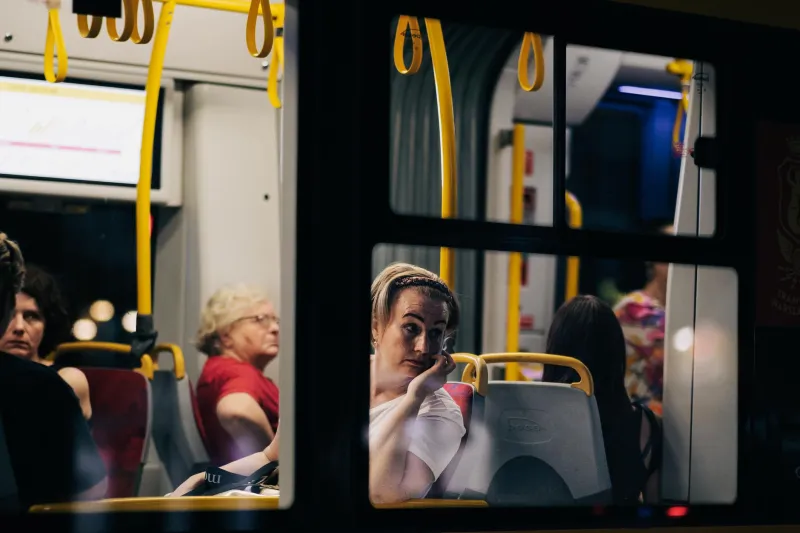
Photo: Oier Peñagarikano Arenaza, CC BY-SA 4.0, via Wikimedia Commons
Saturday morning in Hanley, and the queue outside the coffee cart is three deep. Between the service hatches, someone is taping a setlist to the side of a fridge. By half eleven, a three-piece called Velvet Crumb — guitar, snare, a keyboard held together with gaffer tape — are playing to about forty people, half of whom are holding a pastry.
There is no stage. No barrier, no ticket scanner, no support act. The band are standing on the same lino as the shoppers. And it is, quietly, one of the best gigs in Stoke-on-Trent this autumn.
The hatch is the new front barrier
Street-food markets and independent food halls across the Potteries have been drifting towards live music for a few years. In 2026 it has stopped being a novelty and started looking like a circuit. Saturday sessions in Hanley's Piccadilly, Sunday sets at Stoke Indoor Market, food-and-sound weekends in Burslem and Longton: all of them now programme local acts as a matter of course, rather than as a bit of festive dressing once a year.
The reason is partly practical. Markets have power, shelter, footfall and a premises licence that already covers amplified music at conversational volume. They also have something the city's small venues cannot manufacture: an audience that didn't come out to see a band.
"You get people who'd never buy a ticket to a gig in a million years," says Nadia Brough, who coordinates the Saturday traders' collective in Hanley. "They've come for a bhaji and a flat white and they end up standing there for forty minutes. Then they ask who it was. That's the whole thing, really."
"You can't hide behind a lighting rig"
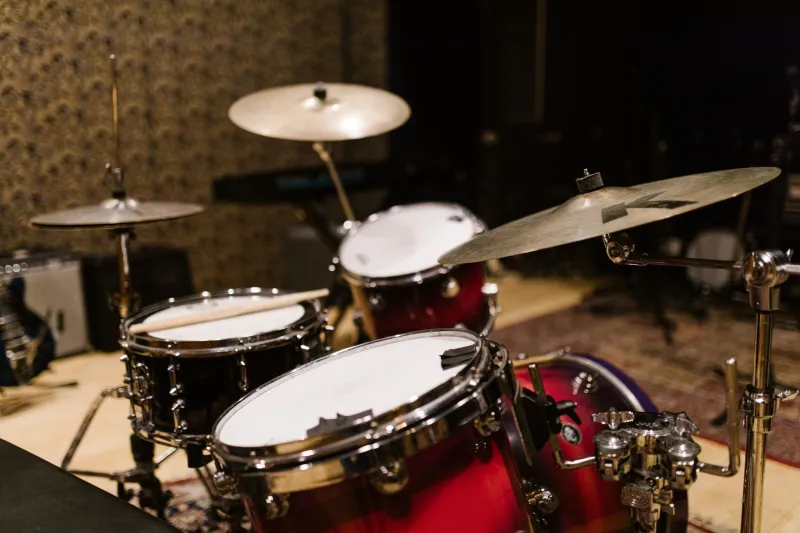
For performers, the setup is brutally honest. Sets run 25 to 40 minutes, usually two or three across the day. Backline is minimal: a combo amp, a snare played with brushes, keys through the house PA. Volume is capped by the licence and, more importantly, by the neighbours.
Velvet Crumb's singer, Emi Okafor, played her first ever set at a market stall in Longton in April. "I'd done open mics where everyone talks over you and I'd done proper venues where everyone stares," she says. "This was somewhere in between. It was kinder. I was terrified, but nobody was judging me — they were eating their lunch."
There's a craft to it, too. Without a lighting rig or a black room, you can't bluff. Arrangements have to work semi-acoustically. Between-song chat matters more. Bands who rely on volume to carry a room find out fast that a food hall is unforgiving.
What the traders get back
Market trading is hard economics. Rents are up, footfall is patchy, and the difference between a decent Saturday and a dead one is often a few hundred people. Live music buys dwell time — the thing every trader wants and almost none can afford to advertise for.
Pete Colclough, who runs a pie stall, reckons a good band is worth more than a leaflet drop. "People stop. If they stop, they buy a second coffee. If they buy a second coffee, they sit down." He shrugs. "It's not complicated."
Some markets now split the cost of a small fee pot between traders — usually £50 to £100 a set, plus food and a parking pass. It isn't much, and everyone involved knows it. But it's paid, which is more than can be said for a lot of "exposure" gigs in this city.
The practicalities nobody sees
Running a band in a food hall is a low-drama, high-admin job. There's the power: usually a distribution board round the back, sometimes a trailing lead across a walkway that needs matting down. There's the weather — a wet Saturday can halve the audience and shorten the set. There's the market manager, who has to weigh a bit of extra footfall against one complaint from a nearby flat. And there's licensing: most sessions sit inside an existing premises licence, but the bigger one-offs need a temporary event notice, and the sound limits in those are not up for debate.
The result is a genre bias. Acoustic duos, folk, jazz trios, gentle indie, soul singers with backing tracks. Loud, distorted, shouty music — the stuff Stoke does genuinely well — mostly can't happen here, and organisers are upfront about that.
Why it lowers the bar
What markets do better than almost anywhere else is strip out the rituals of gig-going. No ticket to buy in advance. No need to know the venue's door policy. No 11pm finish, no dark room, no sticky floor. You can bring a child, a dog, a parent, a rollator, a bad mood. You can leave after two songs and nobody minds.
That matters for performers as much as audiences. Several of the acts playing Hanley this autumn have come up through open-mic nights and youth music projects in the city; the market set is the next rung — paid, public, but low-stakes enough to survive.
What still needs fixing
It isn't perfect. Fees are too low, weather cancellations are too frequent, and there's a real risk that "market gig" becomes shorthand for "band who'll play for a sandwich". Winter is a problem: the indoor markets can absorb it, the outdoor pitches can't.
But the direction of travel is right, and it's happening without a strategy document or a launch event. Just traders, promoters, a sound engineer with a folding table and a city that has always been better at making things than at shouting about them.
Velvet Crumb finish at twenty past twelve. Someone claps with a fork in their hand. The queue at the coffee cart gets longer. That's a scene, that.