Closed Doors, Open Lessons: What Stoke's Lost Music Rooms Still Teach the City

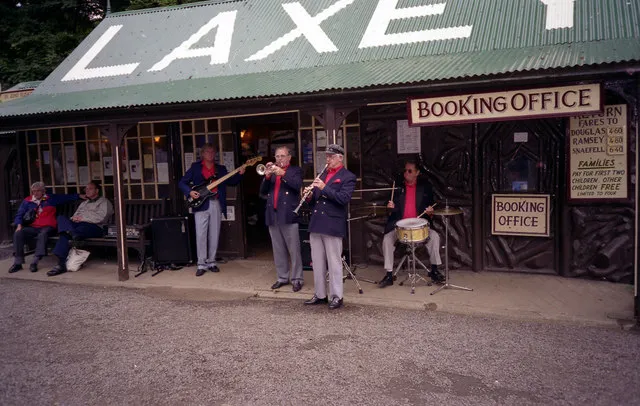
Photo: empty working men's club stage interior UK abandoned venue, via i.pinimg.com
Walk through Hanley, Burslem, Longton or Tunstall and you'll pass buildings that once held a different kind of crowd. A back room where the ceiling was too low for a drum riser. A club function room with a parquet floor and a hatch to the bar. A former cinema whose balcony made every support band sound enormous. These are Stoke-on-Trent's ghost venues: rooms that no longer put gigs on, but which still shape how the city makes music today.
This isn't a lament. It's a curriculum. Ask anyone who learned to play in Stoke's pub back rooms and they'll tell you the same thing—the rooms were awkward, but the lessons stuck.
The back room as first teacher
There's a particular kind of Stoke gig that only exists in memory now. You'd load in through a side door, squeeze past the fruit machine, and set up under a dartboard. The stage was a patch of carpet. The PA was borrowed. The audience was whoever happened to be in for a pint and stayed because the band was loud enough to be interesting.
One drummer who cut his teeth in a Burslem back room in the 1990s remembers playing with his back against a radiator and his hi-hat six inches from a pillar. 'You learned to play quiet and loud in the same song,' he says. 'You learned to watch the room, not your pedals.' That's stagecraft you can't teach in a rehearsal studio with a mirrored wall and a coffee machine.
Then and now, those rooms are mostly gone from the gig map. Some are storage. Some are flats. One is a supermarket extension. But the instinct remains: in 2026, Stoke's small venues still ask bands to adapt, and the bands still arrive ready.
Clubs that booked the city
Working men's clubs and snooker halls did more for Stoke's music scene than they're often given credit for. They had function rooms, cheap bar prices, and committees who knew how to run a night. They also had rules: finish by a certain time, keep the neighbours onside, don't break the snooker table.
The Golden Torch in Tunstall is the historical beacon—a soul club that drew crowds from across the country in the late 1960s and 1970s. But the less famous rooms mattered too. A promoter who started out booking bands in club function rooms in the 2000s recalls learning to make a night work with a borrowed PA, a cash float and a list of phone numbers. 'You'd ring the club secretary, not a venue manager,' she says. 'It taught you that a gig is a community event before it's a product.'
Many of those buildings have changed use. Some have been demolished. But the committee mindset—volunteers, shared risk, local trust—still runs through Stoke's festival season and the small rooms that keep going in 2026.
Cinemas, snooker halls and accidental acoustics
Former cinemas gave Stoke bands a taste of something bigger: raked floors, high ceilings, a sense of occasion. Snooker halls gave them something stranger: low light, felt surfaces, and a table that could become a stage if you moved the cues. Both taught the same lesson—read the room, then use it.
One regular who spent his teenage years at a since-closed cinema venue in the Potteries remembers the queue more than the bands. 'The queue was the gig before the gig,' he says. 'You'd stand on the pavement and hear the soundcheck leaking out. It made the city feel like it was doing something.'
The buildings are now discount stores, flats or empty shells. But the memory of that pavement queue is part of why Stoke gig-goers still turn up early. The room after the room, as much as the room itself, is part of the city's music history.
What the ghosts left behind
The point isn't to mourn every closed door. It's to recognise what those rooms put into the city's musical DNA. Bands learned to play tight corners. Promoters learned to make a night work on goodwill. Audiences learned that a good gig doesn't need a perfect venue—it needs people who care about the room they're in.
In 2026, Stoke's live music map is different. The small rooms that remain are fewer, and the pressures on them are real. But the ghost venues are still reference points. They remind us that the city's music scene has always been resourceful, communal and a bit scrappy. Closed doors, open lessons. The rooms are gone; the schooling isn't.